jueves, 12 de abril de 2012

Crema de zanahoria con croutons de curry/ Carrot soup with curry croutons


Cualquiera que vea lo que me llevo normalmente al trabajo para comer en invierno verá que soy una gran fan de los purés y cremas. No solo son cómodos de llevar (en un botecito de cristal ocupan lo justo), sino que además puedes hacer bastante cantidad y congelarlo.
Sin embargo, aunque sean purés o cremas, me encanta encontrarme tropezones que ayuden a alterar su textura regular. En este caso unos sencillos croutons ayudan a darle ese cambio de textura y contribuyen con un sabor propio a la mezcla.
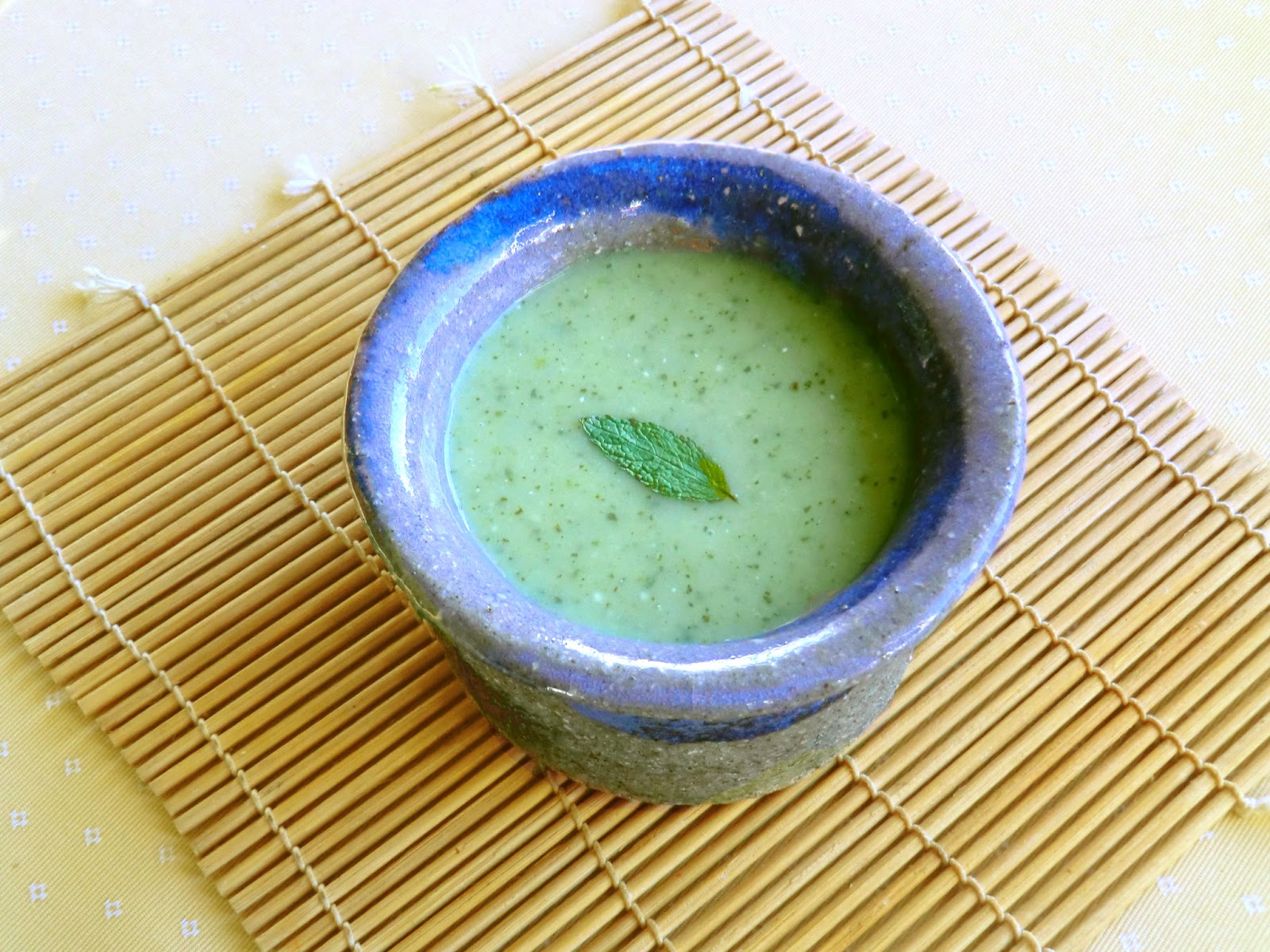
Además, he aprovechado para estrenar esto cuenco tan chulo que me han regalado por mi cumpleaños :)

INGREDIENTES: (para 4)
  • 8 zanahorias medianas
  • 1 puerro grande
  • 1 patata mediana
  • 2 cucharadas de aceite de oliva
  • 4 rebanadas de pan del día anterior
  • 1 cucharadita de curry
  • 1/2 cucharadita de copos de guindilla (opcional)
  • 1 cucharada de mantequilla
  • 2 cubitos de avecrem
  • Agua

Lavad el puerro y cortadlo en rodajas. En una olla a presión (o en una cazuela en su defecto) poned el aceite y empezad a rehogar el puerro. Mientras tanto id lavando pelando las zanahorias cortadlas en rodajas de aproximadamente 1cm. Agregadlas al puerro. Pelad la patata y partidla en trozos gorditos. Cuando la zanahoria y el puerro estén dorados, agregad la patata, sofreidla un poco y tras un par de minutos cubrid con el agua. Añadid el avecrem, removedlo todo y cocinadlo. Si es en olla a presión serán unos 10 minutos (si no es olla rápida, que será menos) y si es en cazuela, dejadlo unos 20 min.
Mientras se va haciendo, partid el pan en cubitos de aproximadamente 1cm x 1cm. En una sartén agregad la mantequilla y, a fuego fuerte, agregad el pan cuando esté bien caliente. Tostad los croutons, apagad el fuego y añadid el curry. Removed bien para que se queden bien impregnados y dejad que se enfríen.
Batid o pasar por el pasapurés el contenido de la olla.
En un plato o cuenco colocad el puré, poned los croutons por encima y espolvoread con copos de guindilla.
¡Disfrutadlo! :)
__________________________________________________

Whoever pays atention to my work lunch packs in winter will see that I'm a soup and purée lover. Not only they are easy to carry (in a small jar you can fit the perfect quantitie) but also you can make a lot and freeze it.
However, no matter if it's purée or soup, I love finding chunks that alter the usual texture. In this case some easy croutons hel, not only changing the texture but adding to it their own flavour.
And, it's been the perfect oportunity for using for the first time this bowl, that was one of my birthday presents. :)

INGREDIENTS: (serves 4)
  • 8 medium size carrots
  • 1 big leek
  • 1 medium size potato
  • 2 tablespoons olive oil
  • 4 slices of stale bread
  • 1 teaspoon curry
  • 1/2 teaspoon of chili pepper flakes (optional)
  • 1 tablespoon of butter
  • 2 stock cubes
  • Water

Rinse the leek and cut it in slices. In a pressure cooker (or a regular pot) pour the oil and star to cook the leek. Meanwhile, rinse and peel the carrots and cut them in slices of around 1cm. Add them to the leek. Peel the potato and cut it in big chunks. Once the carrots and the leek start to get a golden color add the potato and let it cook for 2 min or so. Pour water and stop just before covering compleatly the carrots. Add the stock cubes, stir and let it cook. If it's in a pressure cooker it will take about 10 min (if it's quick it will take less) and in a pot you'll have to cook it for around 20 min.
While the soup is cooking, cut the bread in cubes of 1cm x 1cm aprox. Put the butter in a pan and, when it's hot, add the bread and toast them. Once they are golden, turn the heat off, add the curry, stir until it's evenly distributed and let them cool.
Blend the content of the pressure cooker or pot.
Serve in a bowl or deep plate, top with croutons and sprinkle with chilly pepper flakes.
Enjoy! :)

jueves, 5 de abril de 2012

Bocaditos de torrijas con naranja/ "Torrijas" bites with orange


Por fin llegó la verdadera época de las torrijas y con ella uno de esos problemas habituales en su fabricación. ¡Al sacar el pan de la leche se te parte y se te hacen mil trocitos! Y eso me ha pasado con un pan de torrijas especialmente malo que está en todas partes (ni absorve la leche, se queda seco y se parte por mil y un sitios), así que hubo que poner al mal tiempo buena cara y replantearme el formato... y volver a mi adorado pan seco para hacer las siguientes torrijas.
A raíz de la entrada de las torrijas surgió que, al igual que la forma de hacerlas, cada uno las acompaña de lo que más le gusta. Pues aquí os presento una solución fácil y rápida para la utilización de esos pedacitos y para, al mismo tiempo, crear un postre alternativo un poco más refrescante.

INGREDIENTES: (como las dependerá de las torrijas rotas, las cantidades variarán)
  • Para los bocaditos de torrijas mirad aquí.
  • Naranjas
  • Canela
  • Azúcar
Para hacer los bocaditos seguíd la receta de las torrijas que ya indiqué en el post anterior. Si resulta que vuestro pan no se rompe o sois muy buenos haciéndolas (y aun seguín queriendo hacer esta receta), cortad el pan en rodajas y cada una de ellas en 3 trozos, pasadlas por la leche, el huevo y freidlas. Dejadlas sobre papel secante.
Mientras tanto, pelad la naranja, partidla por la mitad y luego siguiendo los gajos (para que queden trozos grandecitos pero que quepan en la boca). Calculad una naranja por cada 10 torrijitas. Exprimid el zumo de otra naranja, agregadle azúcar (dependiendo de cómo de dulce sea la naranja) y canela y rociad sobre las mini torrijas mientras aun estén calientes. Dejad que se templen y absorvan parte del zumo. Añadid la naranja, espolvoread con canela y servid.
Ah, y como recomendación, volved al pan seco de toda la vida para hacer las torrijas, que es como mejor salen. :)
_______________________________________________________________


"Torrijas" time is finally here! and with it the usual cooking problems. When you get the bread out of the milk it breaks into several pieces! This has recently happened to me with a special bread for "torrijas" that was especially bad and seam to be everywhere (it doesn't absorve the milk, it stays dry no matter what and it breaks into a thousand pieces), so I had to look on the bright side and rethink the format... and go back to my beloved stale bread for my next "torrijas".
After the "torrijas" post, a discussion on how each one made them emerged as so did what did each person ate them with. I therefore offer you a quick and easy solution on what to make with those small bread bites and, at the same time, make an alternative and refreshing dessert.

INGREDIENTS: (as it will depend on how many you break, quantities will vary)
  • For the "torrijas" bites look here.
  • Oranges
  • Cinnamon
  • Sugar
For the bites, follow the "torrijas" recipe I posted a couple of weeks agos. If it happens that your bread doesn't break or you are very handy and manage to make them perfectly (and you still want to make this recipe) cut each bread slice in 3, dip them in milk, then egg and finally fry them. Let the extra oil drain over a paper towel.
Meanwhile, peal the orange, cut it in half and then follow the segments (make big orange bites that you can eat from one bite). Calculate about and orange for each 10 torrijas. Squeeze the oranje juice, add some sugar (depending on how sweet the oranges are), cinnamon, and pour over the torrijas while they are still hot. Let them cool and absorve some juice. Add the orange, sprinkle with some more cinnamon and serve.
Ah, by the way, go back to the stale bread for making "torrijas", it's the best way of making them :)

jueves, 29 de marzo de 2012

Pakoras de patata, zanahoria y espinaca / Potato, carrot and spinach pakoras


Inicialmente esta receta iba a ser la primera que hubiese abierto el blog pero, entre unas cosas y otras, lo fuí posponiendo y hasta ahora. Las pakoras son de esas recetas que, a poco que tengas por casa, sirve para alimentar a varios invitados, de esos que llegan por sorpresa . Igualmente, es de esos platos en los que puedes combinar lo que más te guste, por ejemplo, podéis sustituir las espinacas guisantes o cualquier otra hoja verde, meterles coliflor... eso ya lo dejo en vuestras manos.

INGREDIENTES: (12 pakoras)
  • 2 patatas medianas
  • 1 zanahoria grande
  • 2 cucharadas de cebolla picada
  • 1 cucharada de harina
  • 5 cucharadas de harina de garbanzos
  • 6 cucharadas de agua
  • 1 cucharada de curry
  • 50g de espinacas (congeladas o frescas escaldadas)
  • Sal
  • Pimienta
  • Aceite de girasol

Empezad por mezclar en un cuenco el yogur y la menta muy picada. Esta será la salsa para acompañar, pero si empezáis por hacerla irá tomando bien sabor.
Para empezar con las pakoras, se cortan en juliana muy fina las patatas (como si fuesen para patatas paja) y colocadlas en un cuenco grande. Meted al microondas durante 2 minutos. Se ralla la zanahoria y se mezcla con las patatas. Se pica muy fina la cebolla y se añade junto con las espinacas al cuenco. En una taza mezclad la harina de garbanzos, el agua, el curry, la pimienta y la sal y mezclad hasta que se obtenga una especie de engrudo. Agregad al cuenco y removed bien. Añadid la harina normal y mezclad hasta que se consiga una pasta que "pegue" los ingredientes (no tiene por qué ser demasiado densa, solo tiene que mantenerlos unidos ligeramente).
En una sartén honda calentad el aceite y mantenedlo a fuego medio-fuerte. Con un par de cucharas (o con la mano pero se acaba demasiado pringado para el mismo resultado) se compacta la masa y se echa al aceite. No hagáis pakoras demasiado grandes porque si no el centro no se cocina bien y se queda con una textura menos crujiente. Cuando estén doradas por un lado se giran y se dejan dorar por el contrario.
Dejadlas sobre papel secante antes de comer.
¡Mojadlas en la salsa de yogur y disfrutad! :)
_____________________________________________________________

When I decided to start the blog, this recipe was intended to have been the first, but one thing drove to another, and I postpone it until now.
Pakoras are one of those recipes that, no matter how short of food you are, it can help you feeding those last-minute guests. Moreover, it's one of those dishes that allow's you to combine whatever you like most, for example, you can change the spinach for peas or other green leaf, you can add cauliflower... that's up to you.

INGREDIENTS: (12 pakoras)
  • 2 medium size potatoes
  • 1 big carrot
  • 2 tablespoons of chopped onion
  • 1 tablespoon of flour
  • 5 tablespoons of chickpea flour
  • 6 tablespoons of water
  • 1 tablespoon of curry powder
  • 50g spinach (frozen or fresh but blanched)
  • Salt
  • Pepper
  • Sunflower oil
Start by mixing yogurt and finely chopped mint in a bowl. This is going to be the dip, but in this way you make sure that it's full of flavour when you are using it.
To start with the pakoras cut the potatoes in julienne (as if you were making potato matchsticks) and put the in a big bowl. Microwave for a couple of minutes. Grate the carrot (with the biggest grater hole) and mix with the potatos. Chop the onion finely and add to the bowl aswell as the spinach. In a cup, mix the chickpea flour, water, curry, pepper and salt until you obtain a thick paste. Add to the bowl and stir until everything is well mixed. Sprinkle de flour and mix until all the dough "sticks" the ingredients together (it doesn't have to be too hard, just keep them slightly stuck).
In a big and deep pan, heat the oil and keep it to medium-high heat. Using a pair of spoons (you can also do it by hand but you'll end up all sticky) press the dough and put it into the hot oil. Try not making pakoras too big as if not the center won't cook well and it will be less crunchy.  Once it's golden, turn it and let it cook on the other side.
Once you take them out of the pan, let them settle over kitchen paper before eating.
Dip them in the yogurt sauce and enjoy! :)

jueves, 22 de marzo de 2012

Torrijas de leche / Milk "Torrijas"


La Semana Santa está a la vuelta de la esquina y con ella ¡¡las torrijas!!. Soy una fan incondicional de este dulce y no entiendo por qué lo limitamos solo a Semana Santa cuando los ingredientes se pueden encontrar a lo largo de todo el año. Además son la escusa perfecta para reciclar el pan duro. Solo hace falta cortarlo y meterlo en una bolsita y cuando ya tengas suficiente hacerlas (tampoco lo dejéis durante más de 4 días).
Como cualquier dulce de toda la vida hay mil y una formas de elaborarlas: con leche, con miel, con vino... y las cantidades varían en función a cada casa. En la mía, que somos seguidores de las de leche, una vez hechas las separamos en dos recipientes, uno donde se quedan las torrijas tal cual salieron de la sartén y otro al que echamos aun más leche,eso si, ambas espolvoreadas con bien de azúcar y canela.

INGREDIENTES:
  • 1 barra de pan duro (también podéis comprar pan de torrijas pero eso ya os limitará la temporada torrijera :P)
  • 1 1/2 litro de leche
  • Azúcar (5 cucharadas + para cubrir)
  • Canela en polvo (1 1/2 cucharadas + para cubrir)
  • 1 canela en rama
  • 4 huevos
  • Aceite para freir

Partid el pan duro en diagonal, en rodajas de unos 3cm de grosor. En un cuenco grande (interesa uno que tenga la base lo más grande posible) verted la leche y la rama de canela y calentad en el microondas (no es necesario que hierva pero si que esté lo suficientemente caliente como para que el azúcar se disuelva). Agregad las 5 cucharadas de azúcar y las cucharada y media de canela y removed bien hasta que el azúcar esté completamente disuelta. Si no tenéis microondas, haced este paso en un cazo.
En un plato hondo batid los huevos. Sumergid las rebanadas de pan en la leche hasta que estén bien blandas (giradlas para aseguraros que se mojan bien por ambas caras). Mientras se va reblandeciendo poned en una sartén grande 4cm de aceite a calentar. Cuando estén muy blandas, con ayuda de una espumadera, escurrid un poco el exceso de leche y  pasadlas al huevo. Rebozad bien en el huevo y, cuando la sartén esté bien caliente freidlas. Esperad un par de minutos antes de girar. Tienen que tener un color tostadito sin que estén chamuscadas. El huevo irá soltando unos hilillos según las metáis a freir, que os recomiendo vayáis quitando entre tanda y tanda para que no se os requemen. Cuando las saquéis de la sartén, dejad sobre un colador para que suelten el exceso de aceite y pasadlas al recipiente final. Mezclad en un botecito azúcar y canela y espolvoread bien por encima de las torrijas.
A partir de aquí quedará en vuestras manos lo de ser capaces de esperar hasta que estén templadas y comeros solamente una! :P
¡Que tengáis una buena Semana Santa!
_________________________________________________________

Holy Week is just around the corner and with it the "torrijas"!!
I'm a huge fan and I don't understand why we only make them during this period when ingredients can be found all year round. Besides, it's the perfeect way of recycling your stale bread. You just have to cut it and store it in a bag untl you've got enough to make them (don´t keep the slices for longer than 4 days).
As any traditional recipe there are a thousand and one ways of making them: with milk, honey, wine... and each house has it's own recipe. At my house, were we prefere milk torrijas, once fried we separate them in to containers, both sprinkled with sugar and cinnamon but one keeps them as they come out of the pan, and on the other we pour some more milk.

INGREDIENTS:
  • 1 stale bread
  • 1 1/2 l milk
  • Sugar (5 tablespoons + to sprinkle)
  • Powdered cinnamon (1 1/2 tablespoons+ to sprinkle)
  • 1 cinanamon stick
  • 4 eggs
  • Oil to fry (olive oil)

Cut your bread diagonaly into 3cm thick slices. In a big bowl (use one that has a widet base) pour the milk and cinnamon stick and heat in the microwave (it's not necesary that it boils but it has to be enough hot to asure that the sugar dissolves). Add the sugar and the powdered cinnamon and stir until the sugar is compleatly dissolved. If you don't have a microwave heat the milk in a pan and then put it into the large bowl.
Beat the eggs. Dip the bread slices in the milk until it's all well soaked (turn them around to make sure both sides are soft). While you've got the slices in the milk, start to heat 4cm of oil in a pan. Once the bread is compleatly soft, helping yourselves with a skimmer, press slightly the bread so the excess of milk comes out, and put them into the eggs. Coat in egg and, once the pan is hot, start to fry them. Wait for a couple of minutes before turning them around. They have to be brown without burning them. The egg will start to form threads in the oil ad you put the bread in the pan, so try to take them out to avoid them from burning and passing te flavour to the oil. When you get them out of the pan put them over a sieve to let out the extra oil and put them in your final container. In a small jar mix some sugar and cinnamon and sprinkle it over the torrijas.
From this moment on it's in your hands beeing able to wait until they have stop burning or only eating one :P!.
Have a nice Easter!

jueves, 15 de marzo de 2012

Crema de calabacín con menta/ Courgette and mint soup

¿Qué mejor para celebrar este sábado 17 San Patricio que una receta en la que predomina el verde? Rápida de hacer y que supone una pequeña variante sobre la clásica crema de calabacín. La menta le da un toque refrescante y original, al mismo tiempo que permite tomar la crema tanto caliente como fría o templada.

INGREDIENTES (para 4)
  • 2 y medio calabacines medianos
  • 1 patata pequeña
  • 2 cucharadas de aceite de oliva
  • 2 quesitos (opcional)
  • 1 cubito de avecrem
  • 6 hojas de menta
  • Agua

Lavad bien los calabacines, pelad la patata y cortadlos en trozos medianos. En una cazuela poned el aceite a calentar. Echad el calabacín y la patata y rehogadlo hasta que empiece a tomar un color doradito todo. Añadid el cubito de avecrem y agua hasta un poco antes de cubrirlos. Cocer durante 20 minutos en la cazuela o 10 si lo hacéis en olla. Añadid los 2 quesitos y las hojas de mentas y triturad con la batidora. Listo para comer :). Ah, y se songela bastante bien, así que podéis hacer de sobra y guardadlo en el congelador.
_________________________________________________________


What better recipe for celebrating this Saturday Saint Patrick's day than one where green is the main colour? Quick and easy, it is a slight variation to the classic courgette soup. Mint gives a fresh and original touch at the same time that it gives you the opportunity of serving it hot, warm or cold.

INGREDIENTS (Serves 4)
  • 2  1/2 medium size courgettes
  • 1 small potato
  • 2 tablespoons of olive oil
  • 2 wedges of Creamy Swiss cheese (optional)
  • 1 stock cube
  • 6 mint leaves
  • Water
Clean the courgettes, peal the potato and cut them in small pieces. Heat the olive oil in a pot and add the courgette and potato. Cook until it starts to have a golden colour. Add the stock cube and water just a bit before covering the vegetables. Cook for 20 minutes in a regular pot or for 10 in a pressure cooker. Once cooked, add the cream cheese and mint leaves and blend. Ready to eat :)
Ah, and it survives quite fine to freezing, so if you've got spare you can freeze it for another day.

viernes, 9 de marzo de 2012

Arroz negro/ Arroz negro (Black rice)

De cara al fin de semana os dejo aquí un plato que es perfecto para invitar a los amigos/familia a casa y tener una de esas comidas con sobremesa.
Asociado en España al litoral Mediterráneo, hoy en día el arroz negro se elabora en diferentes partes del mundo de una forma similar. En Italia, especialmente en la región del Veneto, se conoce como "risotto al nero di seppia" (arroz al negro de sepia), mientras que en Latinoamérica se le denomina "arroz con calamares".
Las tintas las podéis encontrar o bien en bolsitas de plástico, en bote (más los italianos) o directamente usar las que llevan los clamares (aunque para que el arroz quede muy negro necesitariés más que las de los calamares usados en esta receta).

INGREDIENTES (Para 4)
  • 2 calamares (medianos)
  • 1 sepia
  • 400g de arroz (4 tacitas de café)
  • 8 tacitas de café de caldo de pescado
  • 300g de gambas peladas
  • 1 pimiento verde tipo italiano
  • 1 tomate rojo
  • 1 diente de ajo pequeño
  • 2 bolsitas de tinta de calamar + las tintas de los 2 calamares
  • Aceite de oliva
Se limpian bien el calamar y la sepia (si es que vuestro pescadero no os lo ha hecho ya) y se parten en trocitos de unos 4 x 4cm.
En una paella se ponen 2 cucharadas de aceite de oliva. Se pica el pimiento verde en trocitos muy pequeños y se empieza a freir a fuego suave. Cuando empieze a hacerse se pica el diente de ajo y se le agrega a la paella. Se deja que el pimiento termine de freirse. Se pela el tomate, se parte en trozos pequeños y se une al pimiento y el ajo. Cuando se haya evaporado un poco el agua soltada por el tomate se agregan la sepia y el calamar y se sofríe todo hasta que esté hecho (tiene que cambiar de traslúcido a blanco). Echad las gambas y esperad a que el agua soltada por la sepia y el calamar se reduzca a la mitad. Cuando esté reducida añadid el arroz, removedlo bien con el resto de los ingredientes y agregad todo el caldo menos 3 cucharadas (las utilizareis para diluir la tinta). Recordad que teneis que tener el doble de volumen de caldo que de arroz. (por cada taza de arroz, 2 de caldo).
Diluíd las tintas con el caldo que habeis apartado y agregadlo al arroz. Dejad que se haga durante unos 20 minutos (idlo probando por si acaso) y una vez esté hecho, tapadlo con un trapo limpio (os recomiendo que para que no se ponga negro pongais encima un par de cucharas de madera cruzadas) y dejadlo reposar 5 minutos más.
Servir con alioli o mayonesa mezclada con ajo.
______________________________________________________________


Looking forward to the weekend I provide you the perfect dish for inviting friends/family for lunch and have a great afterlunch conversation.
Linked in Spain to the Mediterranean coast, "arroz negro" (not to confuse with black rice) it's cooked in very similar ways throughtout the world. In Italy, specialy in the Veneto region, it's known as "risotto al nero di seppia" (rice in cuttlefish's black), while in Latinamerica it's called "arroz con calamares" (rice with squids).
You can find ink in small plastic packages, in jars or directly use the squid's inks (albeit for obtaining a dark black rice you will nead more than the squids used in this recipe)

INGREDIENTS (Serves 4)
  • 2 squids (medium size)
  • 1 cuttlefish
  • 400g rice
  • 4 cups of fish stock
  • 300g shrimp
  • 1 green pepper (cubanelle/italian type)
  • 1 red tomato
  • 1 small garlic clove
  • 2 squid ink packages + squid inks
  • Olive oil
Clean the squid and cuttlefish (if you haven't got a fish dealer that has made it for you) and cut them into pieces of around 4x4cm.
In a big shallow pan (preferible if you've go a paella pan) put 2 tablespoons of olive oil. Chop the garlic and green pepper into very small pieces. Start by cooking the green pepper to low heat. Once it is slightly cooked add the garlic and cook it together. Meanwhile peel the tomato and chop it. Add it to the pan when until the garlic has a light golden colour. Once the water from the tomatoes has evaporated add the cuttlefish and squid and fry until they are cooked (it changes colour from translucent to white). When you see that the liquid that the squid and cuttlefish has reduced to half add the shrimp and rice. Stir and mix it with all the ingredients in the pan and pour the stock, except for 3 tablespoons (that you will need to dissolve the ink). Remember you need to have twice the volume of stock than rice (for each cup of rice 2 of stock). Dilute the inks in the stock you have set aside and add it to rice. Make sure all the rice gets an uniform colour. Let it cook for about 20 minues (try the rice every now and then just in case) and once cooked, cover with a clean cloth (to avoid your cloth from getting black put between the rice and the cloth a couple of wooden spoons) and let it settle for 5 minutes.
Serve it with aioli or mayonaisse mixed with some garlic.

martes, 6 de marzo de 2012

Flautas de quesos con cebolla caramelizada/ Caramelized onion and cheese flutes


Aprovechando que aun sigue haciendo un clima fresquito, de esos con los que se agradece poner el horno, yo sigo explotando el mío al máximo. Además en casa me hacen optimizarlo, así que cada vez que lo pongo para hacer alguna cosa, acabo haciendo dos, una más compleja y una más sencilla (y que generalmente acaba siendo algo para el desayuno).
Esta, aunque no sea de desayuno, es una de las fáciles. Lo sé, hacer masa no es lo más rápido del mundo... pero una vez hecha lo demás es TAN rápido y tan sencillita! La combinación de sabores es de esas que le gustan a casi todos, y el formato es perfecto para el momento aperitivo/entrante o cena ligerita.
A los más vagos, si, vosotras sabéis quienes sois, siempre podéis compraros una masa de pizza de esas frescas (las congeladas si que no valen ni por asomo) y directamente cortarla y poner el resto de los ingredientes... pero procurad que no sea así y animaros a hacer la receta completa que, en serio, es muy, muy fácil.

INGREDIENTES:
  • 125g harina de fuerza
  • 75ml de agua
  • 1 pizca de sal
  • 2.75 g de levadura de panadería en sobre (1/2 sobre) o 7g de levadura fresca de panadería
  • Harina normal (para trabajar la masa)
  • Tomillo
  • 75g de queso mozarella rallado
  • 75g de queso emmental
  • 1 cebolla caramelizada
  • 1 cucharadita de vino dulce
En un cuenco se ponen la harina con la levadura y la sal en forma de volcán y se añade el agua y amasa bien hasta conseguir una masa ligeramente pegajosa pero blanda. Se tapa con un trapo húmedo y se deja levar durante un par de horas.
Una vez la masa haya levado se cortan bolitas pequeñas con la mano y, sobre una superficie enharinada, se estiran con un rodillo, dejándolas de unos 2 mm de grosor. Se colocan en una placa de horno y dejan reposar cubiertas durante media hora más.
Precalentad el horno a 240º C.
Mezclad la cebolla con la cucharadita de vino dulce. Cuando la masa esté lista, pinchadla ligeramente con un tenedor y colocad sobre ella los quesos y la cebolla. Espolvoread con tomillo.
Introducid la placa en la parte más baja del horno durante unos 8 minutos.
Comedlas calentitas, pero tened cuidado que la cebolla es traicionera y guarda muy bien el calor.

___________________________________________________________


As it's still cool around here I keep making the most of my oven. At home they've decided I have to optimize it each time I turn it on so I end up making a more complicated recipe and an easy one (that it generaly is something for breakfast)
Although not for breakfast, this is one of the easy ones. I know, making dough is not the quickest things in the world... but once made everything else is SO easy and quick! The flavour combination is one of those that almost everyone loves, and the format is perfect for an appetizer/starter or a light dinner.
To those lazy ones that read this but don't have the intention of making the dough, yes, you know who you are, you can buy fresh pizza dough (not the frozen ones!). Cut it into the shape you want and top with the ingredients... but try to make the dough yourselves next time because I promise is very, very easy.

INGREDIENTS:
  • 125g strong flour
  • 75ml water
  • 1 pinch of salt
  • 2.75 g active dry yeast or 7g of fresh yeast
  • Flour (for kneading the dough)
  • Thyme
  • 75g grated mozarella cheese
  • 75g emmental cheese
  • 1 cebolla caramelizada
  • 1 teaspoon of sweet Sherry
In a bowl place the flour with the yeast and salt forming a volcano. Add water and knead until you obtain a soft and slightly sticky dough. Cover the bowl with a humid cloth and let it rise for a couple of hours.
Once the dought has rised cut small balls and, over a surface with flour, roll them with a rolling pin until they are 2mm thick. Place them on an oven tin and let them settle for an extra half an hour.
Preheat the oven to 240ºC.
Mix the onion with the sweet Sherry. Once the dough is ready, pierce slightly with a fork and place over it the cheese mix and the onion. Sprinkle with thyme.
Place the oven tray in the lowest part of the oven for about 8 minutes.
Eat them warm, but beware the onion that keeps the heat for some time.